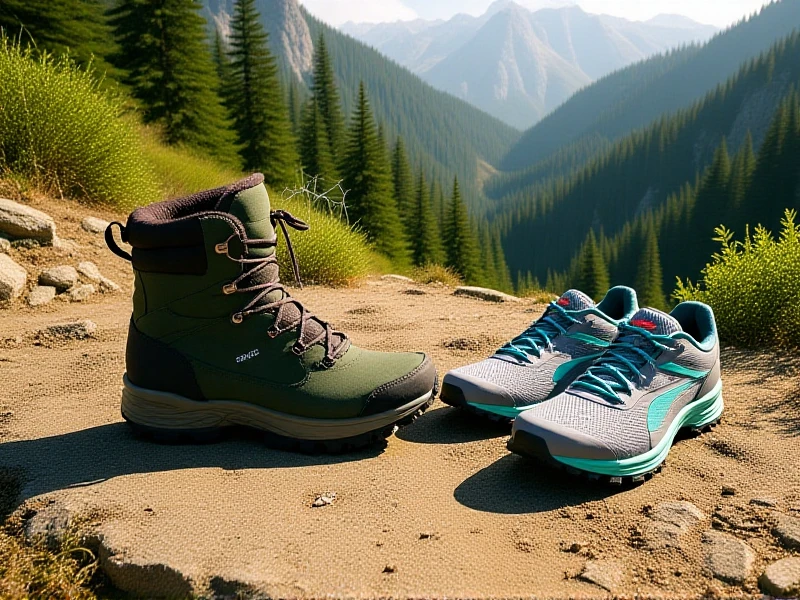
How to Choose the Best Mountaineering Shoes for Your Next Adventure
Conquering steep rock faces, navigating unpredictable scree slopes, and traversing glacier ice demands gear you can trust – especially on your feet. Selecting the right mountaineering shoes is not just about comfort; it's critical for safety and performance. Finding the ideal pair means balancing technical requirements with the specific demands of your climb.
The cornerstone of a good mountaineering shoe is stiffness. A rigid sole provides essential support on rocky terrain, allowing you to stand confidently on small footholds. Look for midsoles made of durable materials like Pebax or advanced nylons. This stiffness works in tandem with crampon compatibility. Ensure the boots have dedicated toe and heel welts designed to securely accept technical crampons, essential for ice and snow climbing.
Grip is non-negotiable. Mountaineering shoes need outsoles with deep, aggressive lugs made from sticky rubber compounds like Vibram®. This provides critical traction on loose rock, wet surfaces, and low-angle ice. Don't overlook support either. High ankle cuffs and a secure lacing system are vital for stabilizing your ankles on uneven ground and preventing injuries during long approaches or technical sections. This support also shields your ankles from rocks and debris.
While leather offers excellent durability and water resistance (especially full-grain), modern synthetics provide superb breathability and often lighter weight. Waterproof membranes like Gore-Tex® are standard for alpine environments, keeping feet dry crossing streams or during snowfall. Ensure the boot fits snugly but not painfully, especially around the heel to prevent lift and blisters. Consider foot volume – some boots are better suited for narrow heels and low-volume feet. Try on boots in the afternoon with the socks you intend to climb in.
Fit the boot to the climb. For demanding alpine ascents requiring precision edging and crampon work, technical mountaineering boots with high stiffness are paramount. For approaches or less technical objectives, a boot with more flexibility could offer greater comfort. Finding this balance is key.
Ultimately, investing in quality mountaineering shoes tailored to your objectives is fundamental. Prioritize stiffness, crampon compatibility, sticky grip, excellent ankle support, waterproofing, and above all, a dialed-in fit. Your feet power every step upwards – give them the protection and performance they deserve. Talk to an experienced fitter, discuss your goals, and set your sights high with confidence on solid ground. Experience the difference well-chosen mountaineering shoes make for performance and peace of mind.