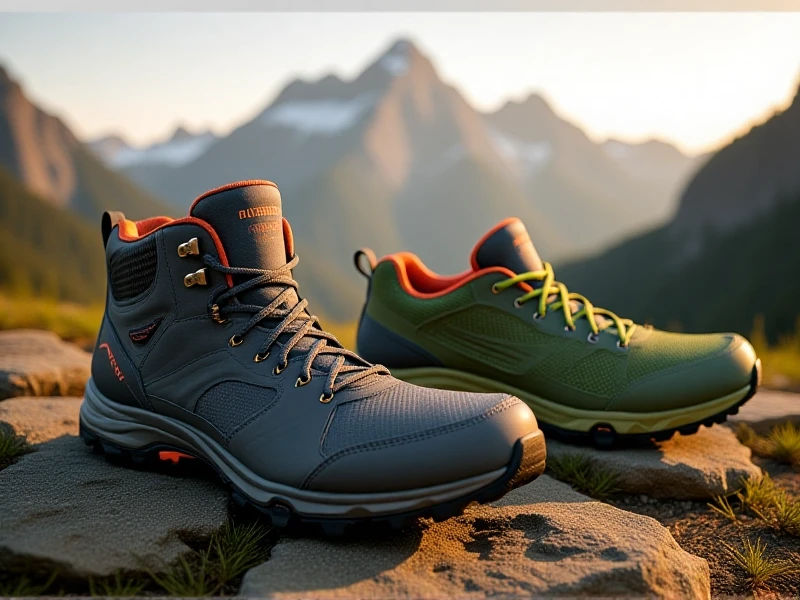
Finding Your Perfect Trail Running Shoes: The Ultimate Choice for Off-Road Adventure
Ready to conquer muddy paths, rocky scrambles, and forest trails? Your journey starts with the right footwear. Trail running shoes are specifically engineered to handle the unpredictable, demanding terrain that road shoes simply can't manage. Let's explore what makes them essential and how to choose your perfect pair.
Unlike their road counterparts, trail running shoes prioritize stability, protection, and grip. Aggressive, multi-directional lugs bite into soft earth, loose gravel, and slippery rock. Look for durable rubber compounds like Vibram Megagrip, offering confidence on wet surfaces. The outsoles are also fortified against sharp rocks and roots.
Protection is paramount. Most trail shoes feature rock plates – thin, rigid shields embedded in the midsole – to shield your feet from sharp impacts you can't always see through mud or leaves. Higher collar heights, sometimes called "gaiter traps," and reinforced toe bumpers add another layer of defense.
Stability matters on uneven ground. You'll find features like:
- Wider outsoles for a larger platform
- Strategically placed support overlays
- Firmer, more responsive midsoles
- Heel counters for rearfoot security
- Lower stack heights enhancing ground feel Some prioritize cushioning for ultra-distance comfort, while "fast and light" models favor agility and a closer connection to the trail.
Choosing Your Trail Running Shoes:
- Terrain & Distance: Match the shoe to your primary running surfaces. Rugged, technical trails demand maximal protection and grip. Hard-packed, non-technical paths allow lighter, more flexible shoes. Your typical run length impacts cushioning needs.
- Fit Tuning: Sizing is crucial. Many runners go half a size up from their road shoes to accommodate toe splay downhill and thicker socks. Secure midfoot lockdown prevents sliding. Brands like Altra offer wide toe boxes for a more natural fit.
- Water Choices: Waterproof (often Gore-Tex) models excel in cold, wet conditions, keeping feet dry longer. However, they can make feet sweat and trap water inside if submerged. Non-waterproof, quick-drying mesh ("drainage ports") excels in warmer weather or frequent water crossings.
- Breathability: Crucial for comfort on longer runs, especially in warmer months. Assess the upper mesh density.
- Tune Your Tread: Deeper, more widely spaced lugs excel in deep mud and soft ground. Closer lugs offer more versatility on mixed or harder surfaces. Consider the lug depth and pattern for your local trails.
Protect Your Investment:
Extend your trail running shoes' life. Knock off clumped mud after each adventure and let them air dry (never machine dry!). Remove insoles (like Tread Labs) periodically. Rotate between pairs if you run frequently.
Finding your optimal trail running shoes is an investment in performance, enjoyment, and injury prevention. Test them thoroughly on varied terrain. Ready to feel that unbeatable off-road connection? Lace up and hit the dirt! What feature matters most to you on the trail?