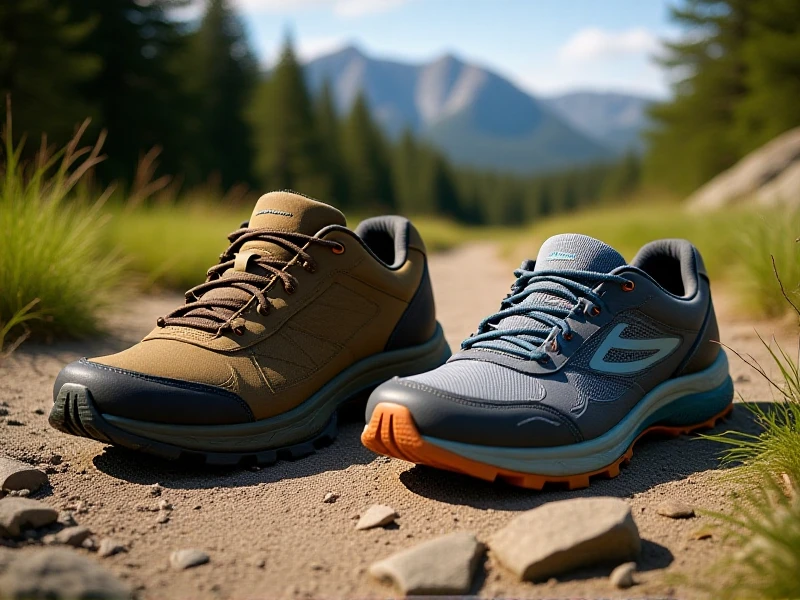
The Ultimate Guide to Choosing the Best Mountaineering Shoes for Your Ascent
Here's an SEO-optimized article focusing on "Mountaineering Shoes":
Mountaineering demands resilience from both the climber and their gear. At the foundation of every successful climb lies a crucial piece of equipment: reliable mountaineering shoes. Far more than just sturdy boots, these technical shoes are engineered to conquer extreme terrain, brutal weather, and protect your feet when every step counts. Choosing the right pair is paramount for safety, performance, and comfort on the mountain.
The core function of top-tier mountaineering shoes is delivering unparalleled support and stability on unstable surfaces like rock, scree, and ice. Look for inherently stiff midsoles and shanks. This rigidity efficiently transfers energy through your foot to the crampon (if needed) and prevents excessive flex on steep inclines, reducing fatigue and the risk of ankle rolls. High-cut cuffs provide essential ankle support crucial for traversing uneven terrain and carrying heavy packs. Robust synthetic materials, TPU overlays, and rand stitching enhance overall structure and durability against abrasion from rocks and snow.
Traction is non-negotiable for mountaineering shoes. Aggressive, multi-directional lug patterns on specialized rubbers (like Vibram®) are standard, offering superior grip on wet rock, mud, and loose gravel. The lug design also effectively sheds mud and snow. For icy conditions and glaciers, mountaineering boots feature a specialized welt compatible with step-in or hybrid crampon systems, securing these essential traction aids firmly. The outsole must be stiff enough to support the crampon frame without flexing.
Waterproofing is critical. Most performance mountaineering shoes integrate high-quality membranes like GORE-TEX®. This technology creates an impermeable barrier preventing external moisture (from snow, streams, or rain) from entering while allowing sweat vapor to escape (breathability), keeping feet dry and comfortable over multi-day expeditions. Combined with insulated linings or removable insulating socks, they also combat the freezing temperatures encountered at altitude.
Foot protection is another vital aspect. Reinforced toe rands and heel guards shield your feet from impacts and abrasion against rocks. The construction ensures minimal water entry points at seams. Additionally, modern designs prioritize reducing weight without sacrificing support or protection, allowing climbers to conserve energy with every step.
When selecting mountaineering shoes, carefully consider the primary environment (rocky alpine vs. glaciated routes), technical difficulty, expected temperatures, and whether crampon compatibility is essential. Prioritize a snug yet comfortable fit—your toes shouldn't hit the front when kicking steps, but excessive heel lift causes blisters and instability. Invest time in trying options, ideally with experienced guidance.
Ultimately, your mountaineering shoes are the vital interface between you and the mountain. Choosing durable, supportive, waterproof, high-traction mountaineering shoes designed for your specific objectives isn't just about performance; it's fundamental to safety and achieving your summit goals. Never underestimate the importance of this essential piece of mountain equipment.