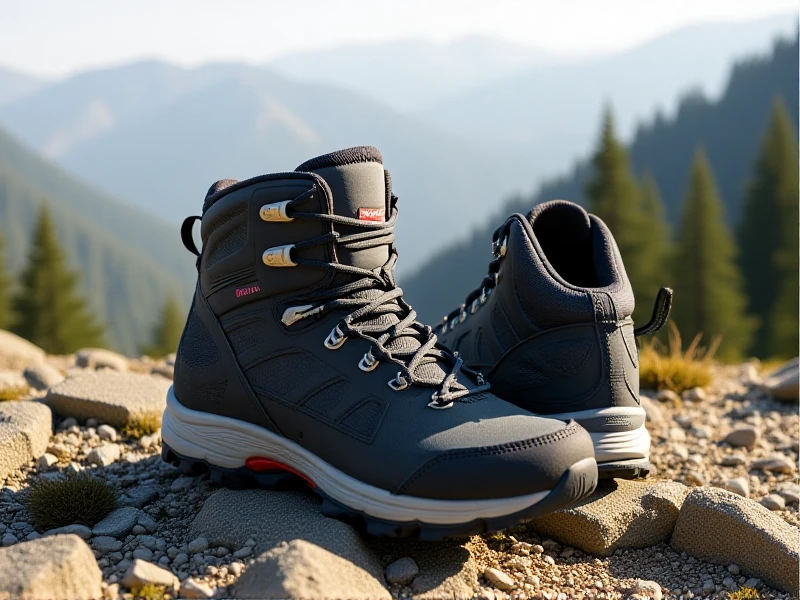
The Ultimate Guide to Choosing Trail Running Shoes for Off-Road Adventures
SEO-Optimized Article: Trail Running Shoes
Trail running shoes are engineered to conquer unpredictable terrains while protecting your feet. Unlike road shoes, they prioritize grip, stability, and durability to handle rocks, mud, roots, and steep inclines. Whether you’re a seasoned trail runner or a beginner, understanding key features ensures you pick the perfect pair.
Traction & Grip
Aggressive outsoles with multi-directional lugs (typically 4–6mm deep) are non-negotiable. Brands like Salomon and Altra use sticky rubber compounds (e.g., Vibram® Megagrip) to maintain traction on wet rocks and loose soil. Deeper lugs excel in muddy conditions, while shallower patterns suit hard-packed trails.
Protection & Stability
Rock plates—thin shields embedded in the midsole—defend against sharp stones. A reinforced toe cap guards against roots, while supportive heel counters prevent ankle rolls. Look for shoes with a lower stack height (under 30mm) for superior ground feel and agility on technical trails.
Durability & Weather Resistance
Uppers made of ripstop nylon or TPU overlays resist abrasion. Waterproof options (GORE-TEX®) suit wet climates but sacrifice breathability. Mesh vents keep feet cool in dry conditions. Brands like Brooks Cascadia or Hoka Speedgoat use dual-density foams to balance cushioning and longevity over 300–500 miles.
Cushioning & Drop
Moderate cushioning protects joints on long descents without compromising trail feedback. A heel-to-toe drop of 4–8mm encourages midfoot striking—ideal for uneven terrain. Zero-drop models suit minimalist runners but require adaptation.
Fit Tips
🔹 Sizing: Opt for a thumb’s width of space beyond your longest toe to prevent black nails during downhill runs.
🔹 Foot Shape: Narrow feet thrive in Salomon’s Precision Fit; wide-foot runners prefer Altra’s FootShape™ toes.
🔹 Terrain-Specific Picks: For trails like this:
- Muddy/Soft: Inov-8 Mudclaw (8mm lugs)
- Rocky: La Sportiva Bushido II (stone guard grippy sole)
- All-Rounder: Nike Pegasus Trail 4 (versatile cushioning)
Maintenance
Clean debris post-run and air-dry. Rotate two pairs to extend midsole life. Replace shoes every 300–500 miles when treads flatten or cushioning stiffens.
Final Thoughts
Investing in purpose-built trail running shoes minimizes injury risks and maximizes performance. Test models on short runs before committing to long distances. Match your shoe to dominant terrain—and watch your confidence soar on wild paths.
( 398)