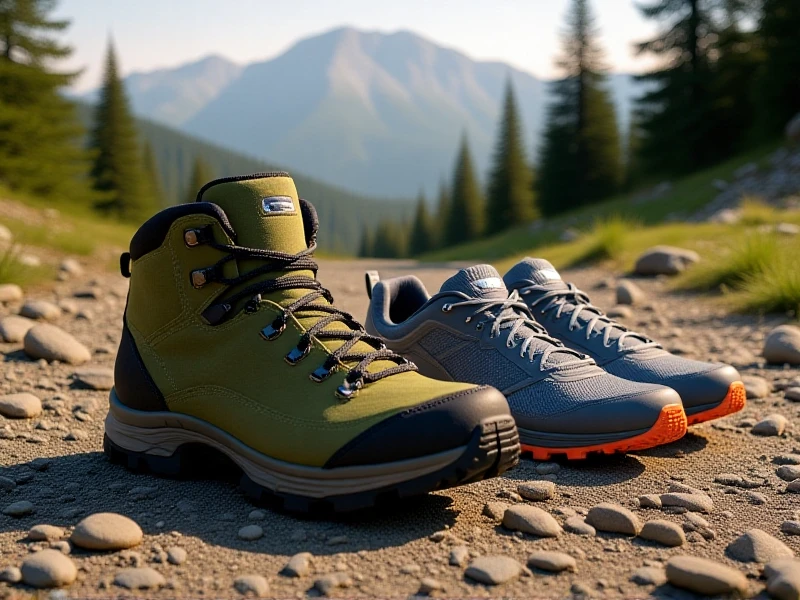
The Essential Guide to Trail Running Shoes: What Sets Them Apart
Here is an SEO-optimized article focused on the keyword "Trail Running Shoes":
Ever slip in the mud with normal sneakers? Or feel unstable on uneven terrain during a trail adventure? That's where dedicated trail running shoes shine. Designed for the unpredictable wilderness, these specialized kicks tackle rocks, roots, mud, and gravel like champions.
Unlike regular road running shoes focused on pavement pounding, trail running shoes prioritize three key elements:
- Gripping Outsoles: The star of the show! Expect aggressive, multi-directional lugs made of sticky, durable rubber (often Vibram® or similar) that dig into soft ground and cling to wet rocks. This translates to unparalleled traction control you simply won't get from flat road soles.
- Robust Protection: Underfoot protection is crucial. Trail shoes usually incorporate a firmer midsole and add a rock plate – a thin, rigid shield – to guard your feet against sharp stones and roots jolting the sole. The upper materials are also tougher, often using abrasion-resistant mesh, overlays, or protective toe bumpers to withstand scrapes and brush.
- Stability & Support: Tackling uneven trails requires footwear that keeps you upright. Trail running shoes typically have lower stack heights (closer to the ground) and wider bases than their road cousins, boosting lateral stability. Many feature structured midsoles and enhanced heel counters to lock your foot down effectively on off-camber sections and descents. Fit is snug to prevent foot sliding inside the shoe, critical on technical downhills.
Choosing the right trail companion depends on your terrain:
- For smooth dirt paths and non-technical trails, "light trail" or trail running shoes with moderate lugs and cushioning offer agility.
- Aggressive terrain—think steep, muddy hills or rocky scrambles—demands shoes with deep, widely spaced lugs, robust protection, and maximum traction security.
- If encountering significant water crossings frequently, seek models with effective water drainage or quick-drying uppers (though breathability might be reduced).
Don't underestimate the right fit! Visit a specialist running store to try on options, considering the room needed in the toe box, heel slippage, and stability. Properly fitting trail running shoes are your best defense against blisters and discomfort miles into the backcountry.
Care for your kicks: Regularly clean mud and debris off the lugs to maintain grip effectiveness and prevent premature wear. Allow them to dry thoroughly after wet runs.
Investing in quality trail running shoes isn't just about performance; it's about safety and unlocking the confidence to explore beyond the pavement. Ditch the slipping and instability – equip your feet properly for the wildness of the trails. Take a look at our recommendations to find your perfect off-road match and let the adventure begin!