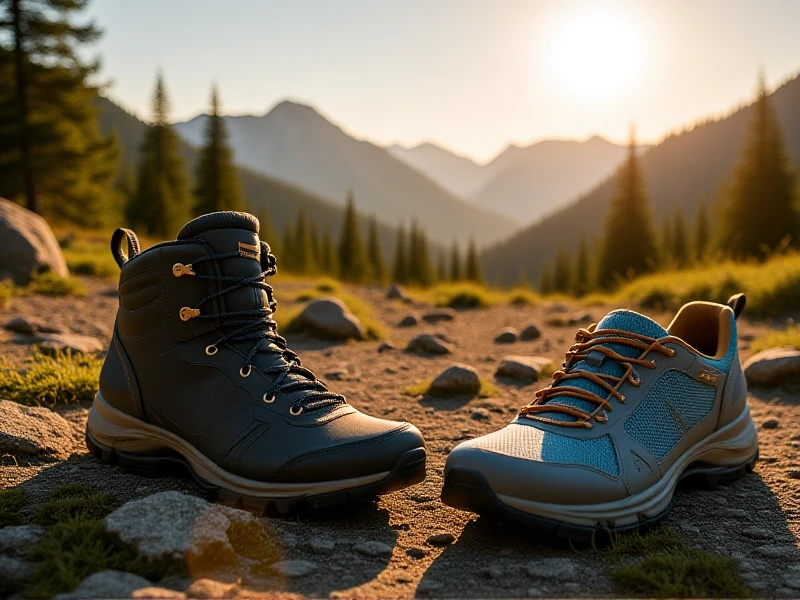
Mountaineering Shoe Showdown: Choosing Your Perfect Summit Partner
Conquering rugged peaks demands more than grit; it requires tools engineered for the extremes. When every step matters, your choice in mountaineering shoes becomes paramount. Forget ordinary hiking boots – technical mountaineering kicks are specialized beasts designed to tackle rock, ice, and everything treacherous in between. Selecting the right pair is your first crucial move towards summit success.
Why Mountaineering Shoes Are Non-Negotiable: The Core Differences
Standard hiking boots lack the rigidity, precision, and specialized features needed for technical alpine terrain. Mountaineering shoes provide:
- Unmatched Stability & Support: Stiff midsoles (often full shanks) prevent fatigue on rocky scrambles and allow efficient crampon transfer. Ankle support varies but crucial protection against twists.
- Superior Traction on Everything: Aggressive, sticky rubber compounds grip rock smears and icy patches alike. Deeper, multidirectional lugs shed snow & mud effectively.
- Crampon Compatibility: A must for glacier travel or icy slopes. Look for ISO/CE certification (B1, B2, or B3) ensuring semi-auto or fully automatic step-in crampons bind securely.
- Balanced Weight & Protection: Light enough for technical climbing sections, yet offering insulation (single or double-layer) and robust construction to shield feet from abrasion and impacts.
Key Considerations When Choosing Your Peak Partner
-
Intended Terrain & Season:
- Alpine Rock/Scrambling (Summer): Focus on sticky rubber sensitivity, precise fit, lighter weight. Moderate ankle support suffices (B1 crampon rating often adequate).
- Glacier Travel/Mixed Routes (3-Season): Require warmer insulation, stiffer shank (B1/B2), and high waterproofing (e.g., Gore-Tex). Ankle support vital for crevassed terrain.
- High-Altitude/Ice Climbing (Winter/Double Boots): Demands maximum insulation, B2/B3 crampon rigidity for front-pointing, often dual-layer construction, and expedition-level durability. Warmth trumps weight.
-
The Critical Fit Factor: Performance lives and dies by fit. Ensure:
- Snug heel lock-down to prevent slipping.
- Toes brushing (not slamming) the front when kicking rocks.
- Minimal movement inside during steep inclines.
- Room for appropriate mountaineering socks WITHOUT being sloppy.
- Test fit with weight and on an incline! Consider different volumes.
-
Essential Features Breakdown:
- Upper: Leather (durable, naturally water-resistant) or Synthetics (lighter, dries faster). Prioritize robust rand protection.
- Waterproofing: Essential unless exclusively for dry rock. Gore-Tex is the benchmark membrane.
- Insulation: 200g-400g primaloft/synthetic common for 3-season. Pure cold demands dedicated winter boots.
- Closure: Lacing systems offering precise adjustments over the instep and ankle are crucial.
Investing in Performance and Protection
Choosing the perfect mountaineering shoes requires honest self-assessment of your climbing objectives. Are you tackling snowy volcanoes, icy couloirs, or technical rock ridges? Don't compromise on fit, support, or crampon compatibility – your feet carry you, and ultimately, your safety depends on them. Research brands rigorously (look for La Sportiva, Scarpa, Salewa, Mammut, etc.), read reviews from similar climbers, and absolutely TRY THEM ON UNDER LOAD. It's an investment that elevates your capabilities and confidence on every high-altitude adventure. Find the right tool, and ascend with conviction.