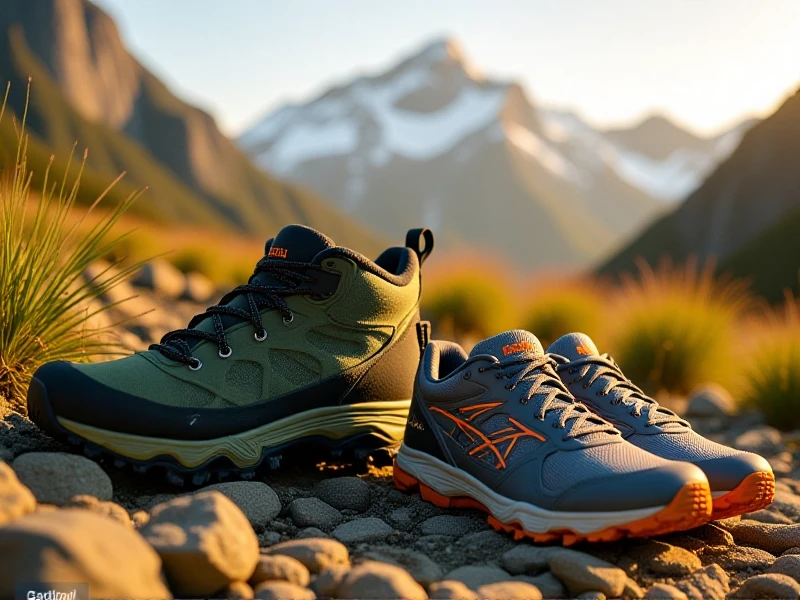
Choosing the Best Trail Running Shoes: Your Guide to Performance and Safety
Running on trails offers a thrilling escape into nature, challenging both body and mind. But conquering dirt paths, rocky climbs, and muddy descents demands more than just your regular road running shoes. This is where purpose-built trail running shoes become essential gear, transforming your runs from potential ankle-rolling nightmares into confident adventures. Understanding their key features is the first step to finding your perfect pair.
Why Trail Runners Are Different Unlike their road counterparts, trail running shoes are engineered specifically for off-road unpredictability. The primary differentiators lie beneath your feet and around them:
-
Aggressive Outsoles & Superior Traction:
- Look for deep, widely-spaced lugs (the pattern on the sole). Think of them like tire treads for your feet. Deep lugs grip soft mud and loose dirt effectively.
- Sticky rubber compounds (like Vibram Megagrip) are crucial for enhancing grip on wet rocks and roots, preventing slips and falls.
- The lug pattern is designed to shed mud quickly, preventing buildup that can make shoes heavy and slippery.
-
Enhanced Protection & Stability:
- Rock Plates: A rigid or semi-rigid layer embedded between the midsole and outsole shields your feet from sharp rocks and roots bruising your soles.
- Reinforced Toe Caps: Durable rubber overlays around the toe box protect against painful impacts against rocks or stumps.
- Secure Upper & Heel Counter: Trail shoes often feature welded overlays, supportive structures, and a firm heel counter to lock your foot in place, preventing excessive movement inside the shoe on uneven terrain, reducing the risk of twists. Many incorporate a gusseted tongue to keep debris out.
Weight, Cushioning & Water Management
- Weight: Trail shoes range from ultra-light minimalist models to robust, protective ones. Consider the terrain and distance. Lighter shoes offer speed and agility on well-groomed trails, while heavier models provide durability and maximum protection on technical paths.
- Cushioning: Similar to road shoes, cushioning levels vary. More cushioning absorbs impact on longer runs or rocky sections, while less provides greater ground feel and agility for navigating technical terrain quickly. Responsive midsoles help propel you forward.
- Waterproofing: Options include:
- Waterproof Membranes (e.g., Gore-Tex): Ideal for cold, wet conditions; they keep water out but can trap heat and moisture in, drying slower once water gets inside or you sweat heavily.
- Quick-Draining: Non-waterproof uppers allow water to drain rapidly and dry faster, often preferred in warmer climates or during runs involving frequent stream crossings. Mesh uppers offer greater breathability.
Finding Your Trail Running Shoes Fit
A proper fit is paramount. Your feet swell on longer runs. Ensure:
- About a thumbnail's width (roughly 1/2 inch) of space between your longest toe and the shoe's end.
- A secure heel lock with minimal lift.
- Midfoot snugness without pinching.
- Enough width across the ball of your foot to avoid numbness.
Trying on shoes in the afternoon and wearing your trail running socks are good practices. Don't assume your road shoe size translates directly.
Investing in a quality pair of trail running shoes specifically designed for off-road challenges isn't a luxury, it's a necessity for performance and injury prevention. Focus on traction, protection, stability, and finding the right fit for your preferred terrain. With the proper shoes, you'll gain the confidence to explore further and embrace the wild beauty underfoot. Happy trails!